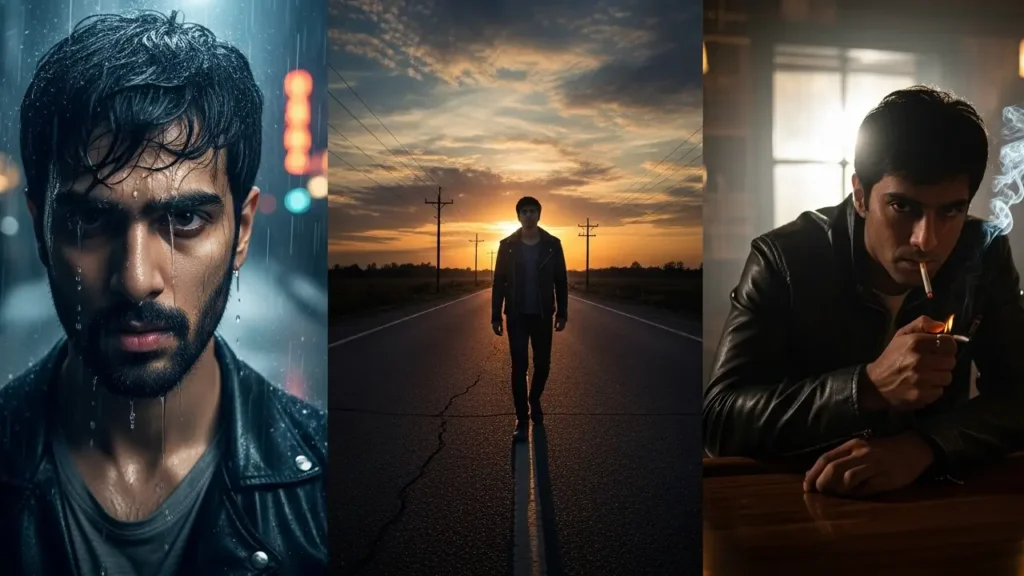
If your social platforms have recently exploded with dramatic, movie-like male portraits, you’ve likely seen the Kabir Singh–inspired edits trending everywhere. These visuals stand out because they combine raw emotion, rugged intensity, and Bollywood-style cinematography, creating a look that instantly grabs attention — and goes viral.
Quick Overview
| Feature | Details |
|---|---|
| Main Tool | Gemini AI Photo Editor |
| Style | Cinematic, emotional, Kabir Singh-inspired |
| Ideal Lighting | Natural light, clear & sharp selfie |
| Output Quality | 4K / Ultra-realistic |
| Discover Safety | No over-smoothing, keep natural texture |
| Image Size | 1280 × 720 recommended |
The Cinematic Formula Behind the Kabir Singh Look
The reason these portraits trend so aggressively is simple: they look like real movie frames, not AI edits. To achieve this effect, begin with a clear, sharp, naturally lit photo. Harsh flash or heavy shadow reduces realism, so stick to daylight or diffused indoor lighting.
Once your selfie is ready, upload it to Gemini AI’s editor. The secret lies in using prompts that highlight natural skin texture, dramatic lighting, and emotional tone. These elements together create that intense Kabir Singh vibe people instantly recognize.

How to Build a Cinematic Transformation
Start by emphasizing atmospheric details while still preserving your real facial structure. Think about adding elements like:
Subtle film grain
Warm or dusky lighting
Soft shadows around the jawline
Dramatic backgrounds such as rain, sunset, bikes, or empty streets
The goal is to stay cinematic without crossing into unrealistic territory. A good edit should feel like a still from an unreleased Bollywood film — expressive, raw, and believable.
Pro Tips to Make Your Portrait Look Real
Natural-looking, high-quality images, not overly edited or obviously AI-generated ones. To stay safe:
Avoid plastic-smooth skin or cartoon-like filters
Add small imperfections (stubble, raindrops, messy hair)
Maintain realistic lighting — cinematic but not artificial

Use objects that build a story: a coffee cup, medical coat, motorcycle, books, or reflections
Keep contrast balanced to avoid looking overprocessed
Adding bokeh, soft glow, and light haze creates a familiar film aesthetic that boosts engagement while still looking human-made.
Sample Gemini AI Prompts
1. Rugged Cinematic Motorcycle Look
“Create an ultra-realistic cinematic portrait of a young man on a Royal Enfield at sunset. Include a leather jacket, aviator sunglasses, warm streetlights, soft smoke in the background, and natural facial texture. Use gentle lens blur and 4K clarity.”
2. Intense Rain-Drenched Mood
“Generate a mid-shot of the same person standing in light rain. White shirt slightly open, wet messy hair, reflective street surface, and deep emotional expression. Add amber-blue lighting and a moody, heartbreak-inspired atmosphere.”
3. Calm Professional Doctor Aesthetic
“Show the person in a doctor’s coat, looking out of a hospital window during golden hour. Add subtle reflections, warm sunset tones, and a peaceful, introspective expression.”
Why Storytelling Is What Makes Edits Go Viral
A great cinematic portrait isn’t just about filters — it’s about emotion. Whether it’s heartbreak, calmness, rage, or silent intensity, the feeling must be visible. Your goal is to capture a moment, not just an image.
When your edit feels human, expressive, and visually rich, it becomes appealing enough for people to share — that’s the real viral formula.
FAQs
1. How do I keep my Gemini AI edit from looking too artificial?
Keep your facial features intact, avoid over-smoothing, and use natural lighting tones. Add realistic imperfections to maintain authenticity.
2. What is the best photo to upload for cinematic edits?
A well-lit selfie with clear facial features. Natural daylight gives the most realistic results.
4. Do I need professional equipment?
No. A good smartphone camera and natural light are enough. The storytelling and prompt quality matter more.


Hi, I’m Ali Raza , the creator of Isoar. I started this platform out of my passion for technology and my curiosity to explore how it shapes our everyday lives. I love researching new tools, writing about emerging tech trends, and sharing practical tips that help people stay ahead in the digital age. Through Isoar, I aim to make technology accessible, useful, and exciting for everyone.